Oil resistant gloves play a critical role in protecting workers who handle greasy tools, machinery, automotive parts, and industrial equipment every day. These work gloves help maintain a secure grip while shielding your hands from oils, lubricants, fuels, and other workplace contaminants. Unlike standard work gloves, oil resistant gloves use specialized materials and coatings that improve traction and reduce the chance of slips. Also, many styles combine oil resistance with protection against cuts, abrasions, punctures, and chemicals, making them suitable for demanding jobs. Choosing the right pair improves safety, comfort, and productivity throughout the workday.
What Are Oil Resistant Work Gloves?
Next, oil resistant work gloves feature materials and coatings that repel or resist oil penetration while providing dependable hand protection. Manufacturers design these gloves to help workers maintain control when handling slippery equipment, reducing the risk of dropped tools or hand injuries. Many gloves use nitrile, PVC, latex, polyurethane, leather, or advanced synthetic materials to achieve different levels of oil resistance. Also, some gloves include breathable liners that keep hands comfortable during extended wear, while others prioritize waterproof or chemical-resistant protection. The best oil resistant gloves balance grip, durability, flexibility, and protection based on the specific job.
Leather Oil Resistant Gloves
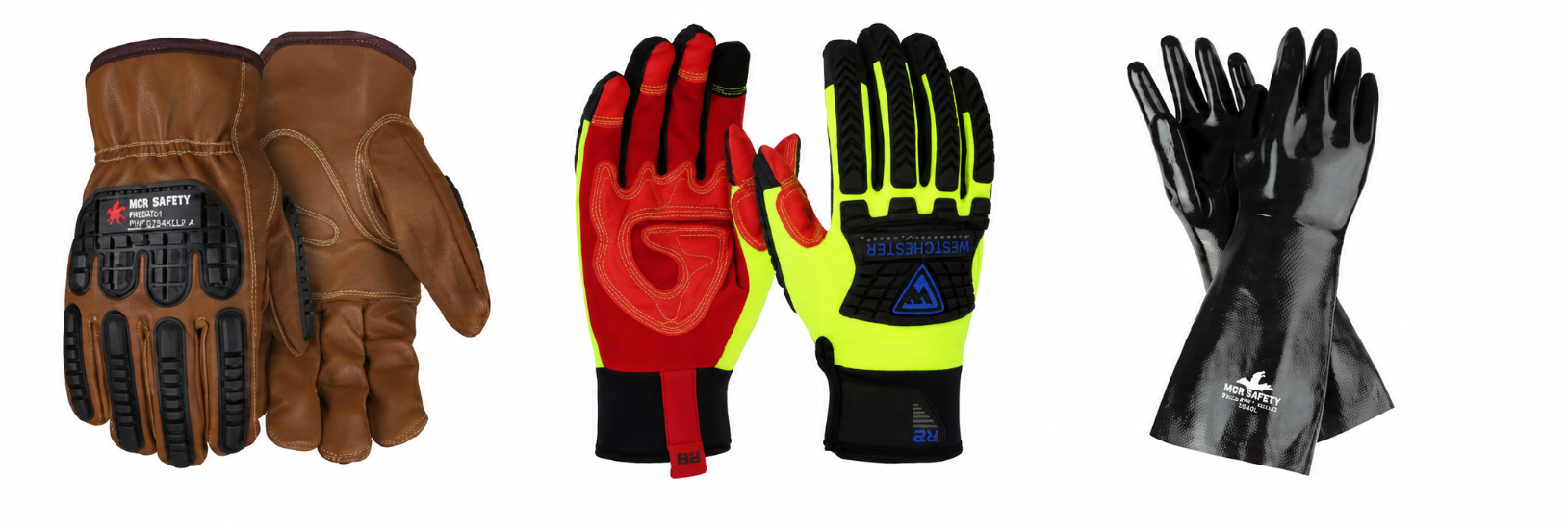
Additionally, leather oil resistant gloves from brands like MCR Safety and PIP remain a popular choice for workers who need durability along with natural comfort. Many premium leather gloves receive special oil resistant treatments that help preserve flexibility while preventing excessive absorption of oils and grease. Also, these gloves work well in construction, farming, heavy equipment operation, oil and gas, transportation, and maintenance applications. Cowhide, goatskin, pigskin, and grain leather each offer different levels of durability, dexterity, and abrasion resistance. Many leather options also feature reinforced palms, padded knuckles, puncture resistance, and heat resistance for added protection in demanding environments.
Performance Gloves
Meanwhile, performance oil resistant gloves combine lightweight materials with advanced coatings to maximize grip and dexterity. Many styles feature nitrile coated palms or sandy nitrile finishes that improve handling in oily and wet conditions without sacrificing flexibility. Workers in manufacturing, automotive repair, warehousing, assembly, and material handling often choose these gloves because they provide excellent finger movement while protecting against everyday hazards. Many performance gloves also include ANSI cut ratings ranging from A2 through A6, allowing workers to select the proper level of cut protection for their tasks. Additional features like touchscreen compatibility, impact protection, breathable knit shells, and ergonomic designs increase comfort throughout long shifts.
Rubber Gloves
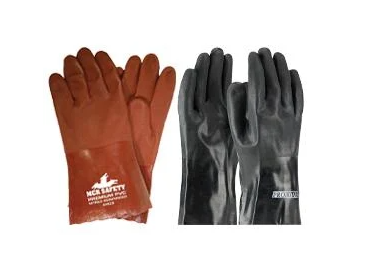
Furthermore, rubber oil resistant gloves offer outstanding protection when workers encounter oils, chemicals, solvents, or hazardous liquids. Nitrile, neoprene, PVC, and natural rubber all provide different levels of chemical resistance depending on the application. Many of these gloves include fully coated designs that prevent liquids from reaching the hands while maintaining dependable grip. Industries such as food processing, chemical manufacturing, janitorial services, petroleum production, and industrial cleaning frequently rely on rubber gloves for dependable hand protection. Also, many gloves provide abrasion resistance, puncture resistance, and extended gauntlet cuffs for additional coverage.
String Knit Oil Resistant Gloves
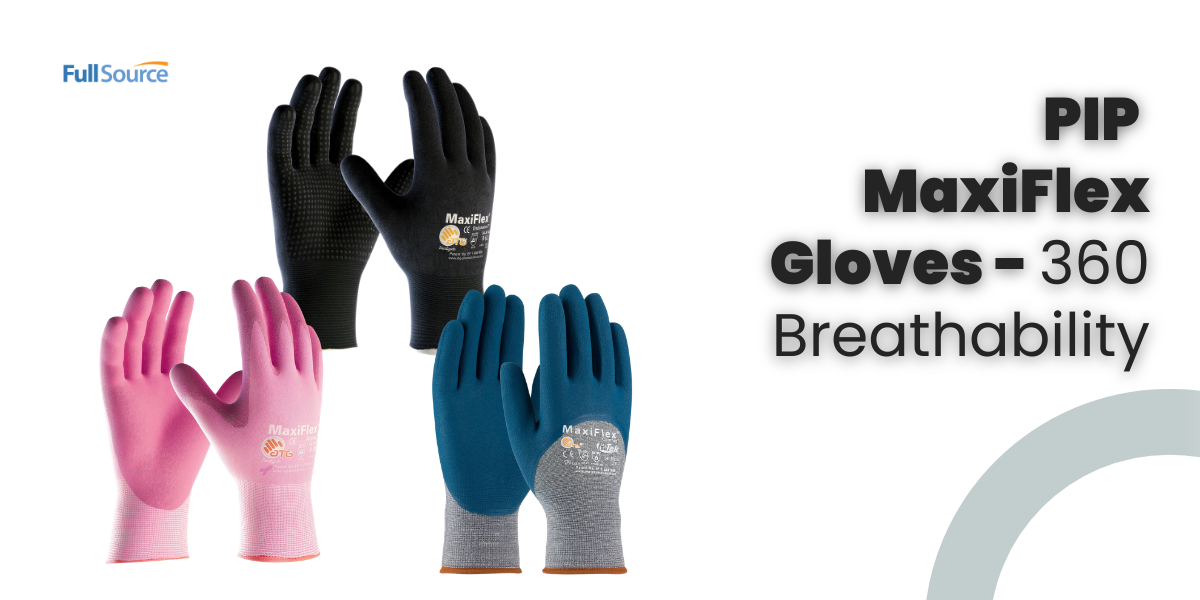
Likewise, string knit oil resistant gloves provide an excellent balance of comfort, flexibility, and grip for workers who need all day wearability. Brands like PIP, Global Glove, and MCR Safety often combine seamless knit liners with nitrile, polyurethane, latex, or foam coatings that cover the palm or the entire glove. The knit construction promotes airflow while reducing hand fatigue during repetitive tasks. Many string knit work gloves also earn ANSI cut ratings, making them suitable for metal fabrication, glass handling, warehousing, recycling, and general industrial work.
Important Features to Look For
Moreover, selecting the best oil resistant gloves involves evaluating several important safety features beyond oil protection alone. ANSI cut ratings help determine how well a glove protects against sharp materials, with ratings ranging from A2 for light protection to A6 for the highest level of cut resistance. Abrasion resistance extends glove life when handling rough surfaces, while puncture resistance helps protect against nails, wires, and sharp objects. Also, some gloves include heat resistance for handling warm materials, cold resistance for outdoor winter work, and chemical resistance for hazardous environments. High visibility colors such as fluorescent yellow/lime and orange improve worker visibility in low light conditions, while coated palms provide additional grip on slick equipment.
Popular Oil Resistant Glove Brands
Additionally, find high-quality oil resistant gloves for almost every industry and application. Global Glove offers an extensive selection of coated knit gloves, impact gloves, and cut resistant options that perform exceptionally well in oily work environments. MCR Safety manufactures durable nitrile coated gloves, leather gloves, and chemical resistant styles designed for industrial workplaces. Also, PIP continues to expand its lineup with advanced coated gloves, cut resistant gloves, and impact protection, while Portwest offers innovative gloves that combine comfort, durability, and modern safety features.
Colors and Glove Options
Similarly, oil resistant gloves come in a wide variety of colors that help workers identify glove types, safety levels, or specific work areas. Black gloves remain popular because they hide grease, dirt, and oil while maintaining a professional appearance. Blue nitrile gloves often appear in food processing and industrial settings where contamination control matters. White, green, orange, yellow, and red gloves also provide visual identification while supporting workplace safety programs. Many glove brands combine multiple colors with contrasting coatings to improve visibility while making glove inspections quick and easy.
Choosing the Best Oil Resistant Gloves for Your Job
Finally, selecting the right oil resistant gloves depends on your work environment and the hazards you encounter each day. Automotive technicians benefit from lightweight nitrile coated performance gloves that maximize dexterity and grip. Construction workers may prefer treated leather gloves that combine durability with abrasion resistance and puncture protection. Also, chemical handling applications often require fully coated nitrile, PVC, or neoprene gloves with superior chemical resistance. Workers exposed to sharp materials should always choose gloves with the appropriate ANSI cut rating that matches the level of risk on the job.
Conclusion
In conclusion, our best oil resistant gloves combine reliable grip, comfort, durability, and protection to help workers perform safely in demanding environments. Whether you choose leather, performance, rubber, or string knit styles, selecting gloves with the right combination of oil resistance, ANSI cut protection, abrasion resistance, puncture resistance, and other safety features helps reduce workplace injuries while improving productivity.