

Disposable coveralls provide a convenient way to protect your clothing and skin from dirt, dust, debris, and certain workplace contaminants. Whether you work in construction, manufacturing, painting, maintenance, or industrial environments, disposable protective clothing helps you stay covered while completing demanding tasks. These lightweight garments offer a practical alternative to reusable workwear when your job requires frequent clothing changes. With options from our best-selling safety brands, you can choose from different materials, colors, sizes, and protective features. Discover how disposable coveralls work, when to wear them, and which styles best suit your workplace needs.
What Are Disposable Coveralls?
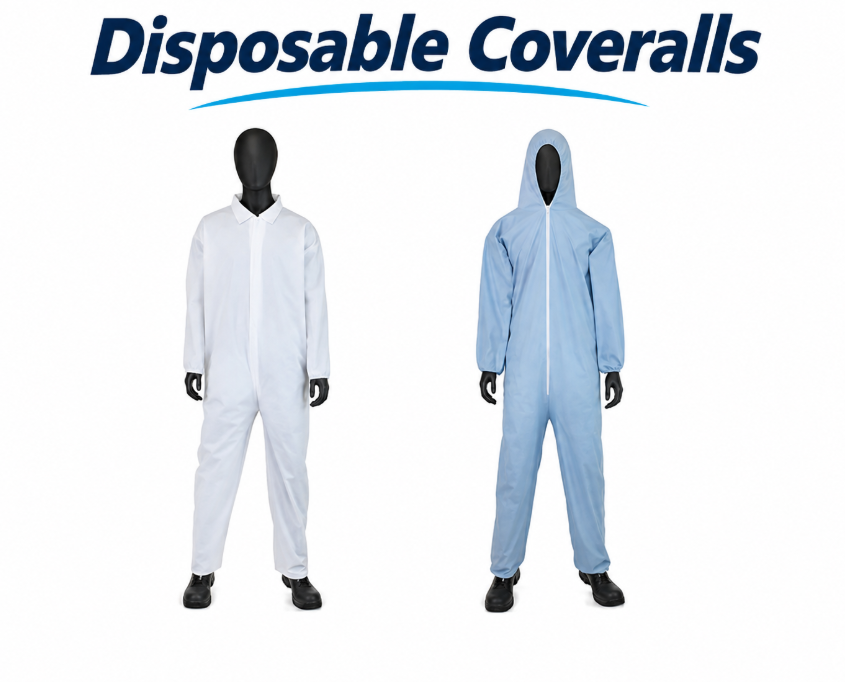
Generally, disposable coveralls are single-use protective garments that cover your torso, arms, and legs to help prevent contact with specific workplace hazards. Manufacturers use lightweight materials such as polypropylene, polyethylene-coated fabrics, and other nonwoven materials to create comfortable protective barriers. Depending on the design, coveralls may help protect against dry particulates, light liquid splashes, or other contaminants. Many styles feature elastic wrists, ankles, and waistbands to improve coverage and help keep the garment securely in place. Also, you can find coveralls with attached hoods, front zippers, and storm flaps for additional protection. Unlike traditional workwear, disposable coveralls allow you to discard contaminated clothing after use instead of cleaning and reusing it.
When Should You Wear Disposable Coveralls?
Additionally, disposable coveralls serve many purposes across industrial, commercial, and maintenance applications. You can wear them while painting, cleaning equipment, performing general maintenance, or working in dusty environments. Construction and renovation projects often require protective clothing to help keep dust, dirt, and debris off your everyday apparel. Also, manufacturing facilities may use disposable coveralls to help maintain cleanliness during production and assembly operations. Certain chemical handling and sanitation tasks require specialized splash-resistant garments that match the specific substances and exposure risks. Always evaluate your workplace hazards and select coveralls with the appropriate protective properties before starting a job.

Disposable Coverall Brands
Furthermore, several established safety apparel manufacturers offer disposable coveralls and specialized protective clothing for different work environments. Brands such as Bulwark FR, C2V, Global Glove, and PIP provide options for industrial safety and workplace protection. Bulwark FR focuses on flame-resistant protective apparel, making its specialized protective garments relevant to environments with thermal hazards. C2V offers protective clothing options for general industrial applications, while Global Glove provides workplace safety products that include protective apparel. PIP offers a broad selection of personal protective equipment, including disposable garments for applications involving dust, dirt, and certain liquid exposures. When comparing these brands, review each product's material, intended application, protective ratings, and available features to find the right coveralls for your job.
Hooded, Splash, and Self-Extinguishing Coveralls
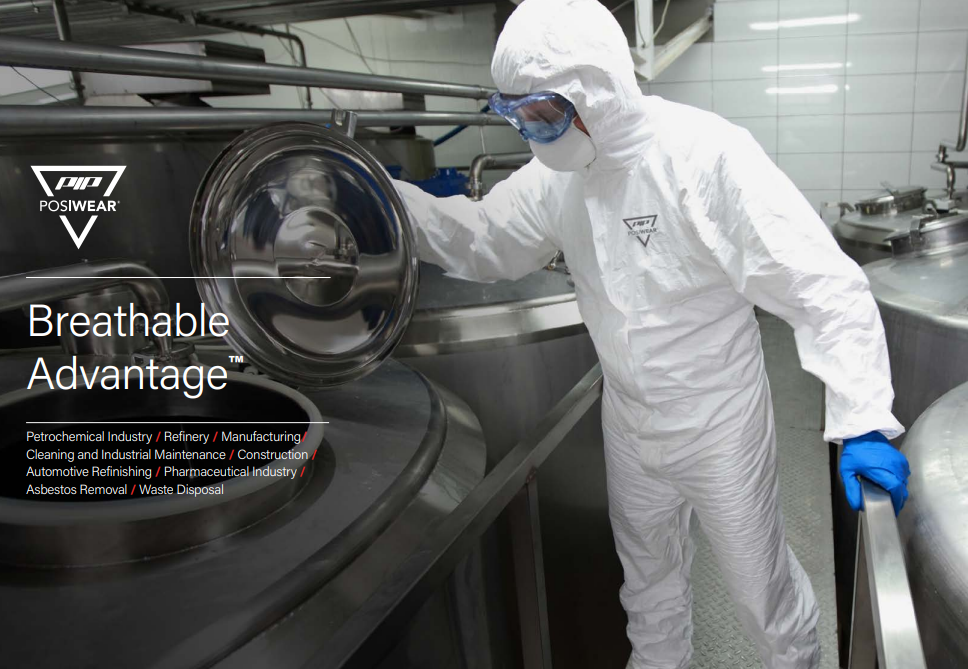
Meanwhile, disposable coveralls come in several styles that address different workplace conditions and protection requirements. Hooded disposable coveralls provide additional coverage for your head and neck, making them useful for dusty environments, painting, and certain cleaning applications. Splash-resistant coveralls use specially designed materials and protective barriers to help reduce contact with specific liquid contaminants. Self-extinguishing coveralls feature materials that resist continued burning after you remove an ignition source, although this property does not automatically make them flame-resistant or suitable for arc flash exposure. Also, certain specialized disposable garments can serve as outer layers over appropriate FR clothing when the manufacturer specifically approves that combination. Always check the garment's protective specifications and limitations because standard disposable coveralls do not provide universal protection against chemicals, flames, or other hazardous exposures.
Disposable Coverall Colors and Sizes
Next, disposable coveralls come in various colors and sizes to accommodate different workplace preferences and requirements. Common color options include white, blue, yellow, and gray, depending on the manufacturer and specific garment style. White disposable coveralls offer a clean, professional appearance and make dirt or contamination easier to identify. Blue coveralls provide another practical option for maintenance, manufacturing, and general industrial applications. Also, many manufacturers offer sizes ranging from small to larger extended sizes, including options such as 2XL, 3XL, and up to 5X on select styles. When selecting your size, consider the clothing you plan to wear underneath and allow enough room for comfortable movement without creating excessive loose material.
Features That Improve Comfort and Coverage
Similarly, the right disposable coverall features can improve comfort, mobility, and protection throughout your workday. Elastic cuffs and ankles help keep sleeves and pant legs in place while reducing gaps around your wrists and footwear. Front zipper closures make it easier to put on and remove coveralls, while protective storm flaps can provide additional coverage over the zipper area. Breathable materials help reduce heat buildup during physically demanding tasks, although greater breathability may come with limitations in liquid resistance. Also, some styles feature attached hoods, elastic waistbands, and reinforced seams to support specific workplace needs. Compare these features carefully to balance comfort, durability, and the level of protection your job requires.

How to Use and Dispose of Coveralls
Before starting your task, inspect your disposable coveralls for tears, damaged seams, or other defects that could compromise their protective performance. Choose the appropriate size and put on the garment according to the manufacturer's instructions, making sure you properly secure the zipper, cuffs, ankles, and hood when applicable. Pair your coveralls with compatible gloves, protective eyewear, respiratory protection, and footwear whenever your hazard assessment requires additional PPE. After completing your work, remove the garment carefully to avoid transferring contaminants to your skin or clothing. Also, follow your workplace's disposal procedures, especially when the coveralls contain hazardous chemicals, biological materials, or other regulated substances. Never reuse single-use coveralls or assume that every disposable garment provides the same level of protection.
Conclusion
In conclusion, disposable coveralls offer a convenient and practical solution for protecting your clothing and skin during many workplace tasks. Whether you need hooded coveralls, splash-resistant protection, or specialized self-extinguishing styles, choosing the appropriate garment helps you prepare for your work environment. Explore disposable coveralls from brands such as Bulwark FR, C2V, Global Glove, and PIP to compare available materials, colors, sizes, and features. Shop disposable coveralls at Full Source and find protective clothing that meets your workplace needs.