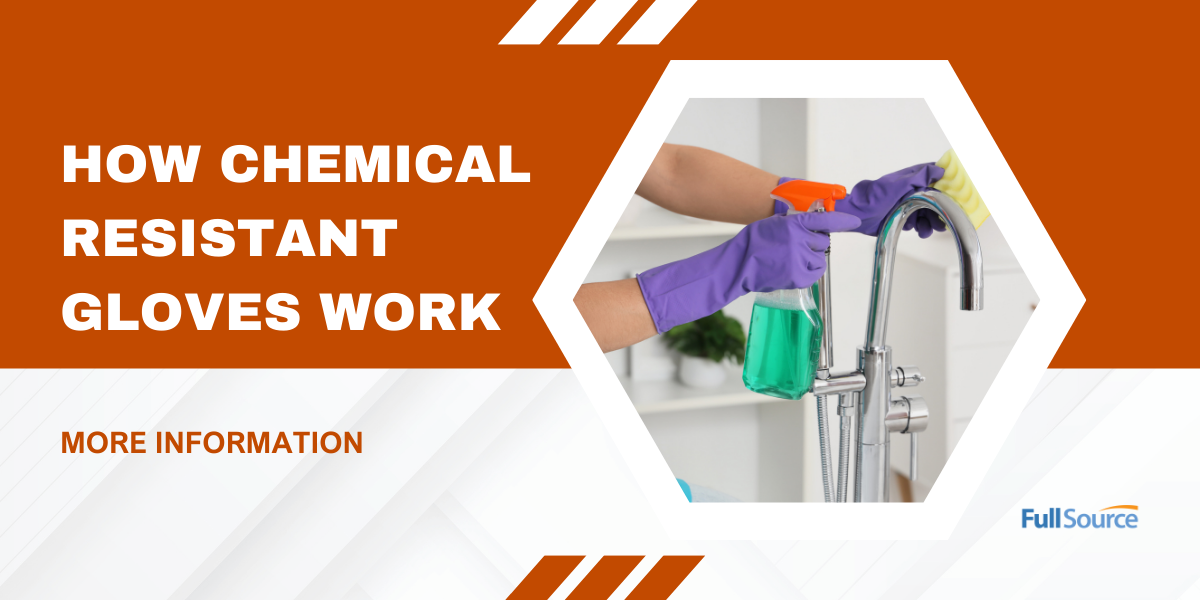
Chemical-resistant gloves protect workers from harmful liquids, oils, solvents, and hazardous materials. Manufacturers design these gloves with specialized materials that block chemical penetration and prevent skin contact. Workers across many industries rely on these gloves to maintain safety while handling dangerous substances.
Additionally, chemical resistant work gloves combine protective materials with durable construction. Many designs include features like abrasion-resistant coatings, puncture resistant layers, and waterproof barriers. These features help workers maintain grip and dexterity while protecting their hands from harsh environments.
Materials Used in Chemical Resistant Gloves
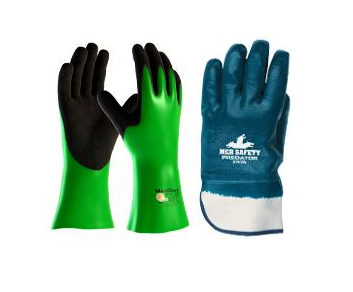
Next, manufacturers use several materials to create chemical resistant gloves. Each material offers different strengths depending on the chemicals and working conditions involved. Nitrile gloves provide strong resistance against oils, fuels, and many industrial chemicals. Also, workers often choose nitrile gloves because they offer excellent durability and flexibility. Latex gloves provide elasticity and comfort, which makes them useful in laboratories and sanitation tasks.
Durable Chemical Protection
Meanwhile, neoprene gloves resist acids, caustics, and alcohol-based chemicals. Workers often select neoprene gloves for chemical handling and maintenance tasks. Butyl gloves protect against highly corrosive chemicals, gases, and ketones, which makes them valuable in chemical manufacturing environments. Similarly, PVC gloves provide waterproof protection and chemical resistance for industrial cleaning, agriculture, and construction work. Also, rubber gloves deliver protection in wet environments where chemical exposure occurs frequently.
Protective Features
Furthermore, chemical resistant work gloves include multiple protective features designed for demanding work conditions. Abrasion-resistant gloves protect hands from rough surfaces while maintaining chemical protection. ANSI cut resistant gloves add extra protection against sharp edges during industrial tasks. Also, many gloves feature coated palm construction, which improves grip and durability when workers handle wet or oily materials. Extra grip textures help workers maintain control while working with tools, containers, and equipment.
Performance Glove Styles
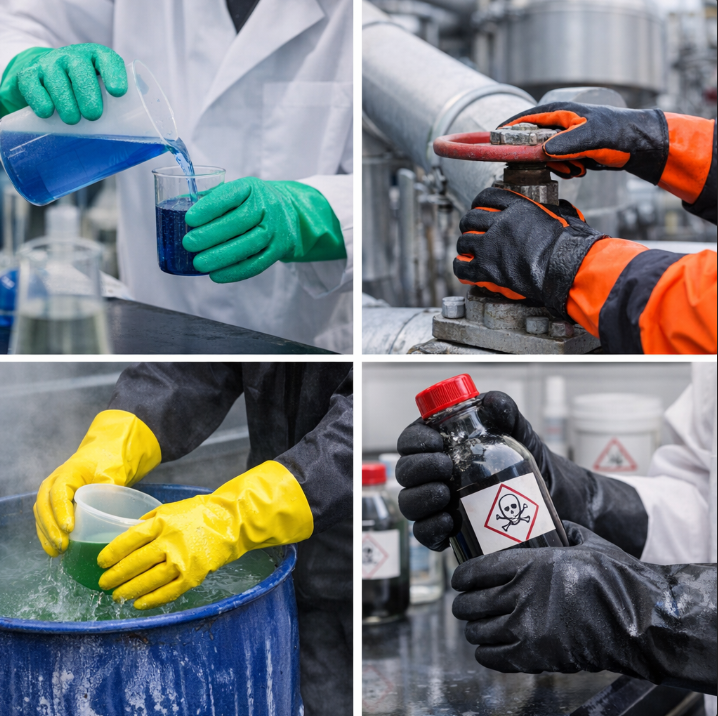
Likewise, impact-resistant gloves like those from Ironclad, LIFT, and MCR Safety protect hands from heavy equipment and sudden impacts. Cold resistant gloves protect workers in refrigerated environments or outdoor winter conditions. Also, puncture resistant gloves prevent sharp objects from penetrating the glove material. High-visibility yellow/lime and orange gloves improve safety in low-light environments such as construction zones or roadside work areas. Waterproof gloves protect workers from liquids and chemicals during cleaning, agriculture, and sanitation tasks.
Specialized Designs for Chemical Protection
In addition, manufacturers offer specialized glove designs that enhance protection and coverage. Gauntlet style gloves extend past the wrist to protect the forearm from chemical splashes. Long cuff gloves offer similar protection for industrial cleaning and chemical handling. Some gloves also include abrasion-resistant surfaces, reinforced fingertips, and flexible coatings that increase durability and grip. Workers often choose these designs when they handle tools, equipment, and containers filled with chemicals.
Types of Chemical Resistant Gloves
Moreover, chemical resistant gloves come in several different types.
- Disposable gloves offer lightweight protection for laboratories, medical environments, and sanitation work.
- Cotton gloves sometimes serve as liners inside chemical gloves to increase comfort and absorb moisture.
- Performance gloves combine chemical resistance with advanced grip and durability features for industrial tasks.
- Rubber gloves provide waterproof chemical protection for cleaning, agriculture, and maintenance work.
- String knit gloves often include chemical resistant coatings such as nitrile or latex to improve durability and grip. Sleeve protection extends coverage up the arm to prevent chemical splashes from contacting skin.
Popular Brands and Series
Meanwhile, many of our work glove brands offer chemical resistant work gloves. Global Glove, MCR Safety, PIP, Liberty Safety, LIFT Safety, North Safety, and Portwest all produce protective gloves for industrial use. Several product lines have gained popularity for durability and chemical resistance. Best-selling series include Oil Hauler gloves for oil and gas work, Predator gloves from MCR Safety for industrial tasks, and FrogWear gloves from Global Glove for tough environments. Similarly, PIP MaxiChem and MaxiDry gloves provide advanced chemical protection combined with strong grip and dexterity. These gloves support workers who handle chemicals, oils, and hazardous materials daily.
Industries That Use Chemical Resistant Gloves
Additionally, many industries rely on chemical resistant gloves to protect workers.
- Chemical manufacturing facilities require gloves that block corrosive liquids and solvents.
- Oil and gas workers use chemical resistant gloves to handle fuels, lubricants, and industrial fluids.
- Manufacturing plants rely on these gloves when workers handle solvents, coatings, and industrial cleaning chemicals.
- Agriculture workers wear chemical resistant gloves while applying fertilizers, pesticides, and herbicides.
- Janitorial and sanitation teams use these gloves during cleaning and disinfecting tasks.
- Automotive technicians wear them when working with oils, brake fluids, and fuel systems.
Colors, Sizes, and Options
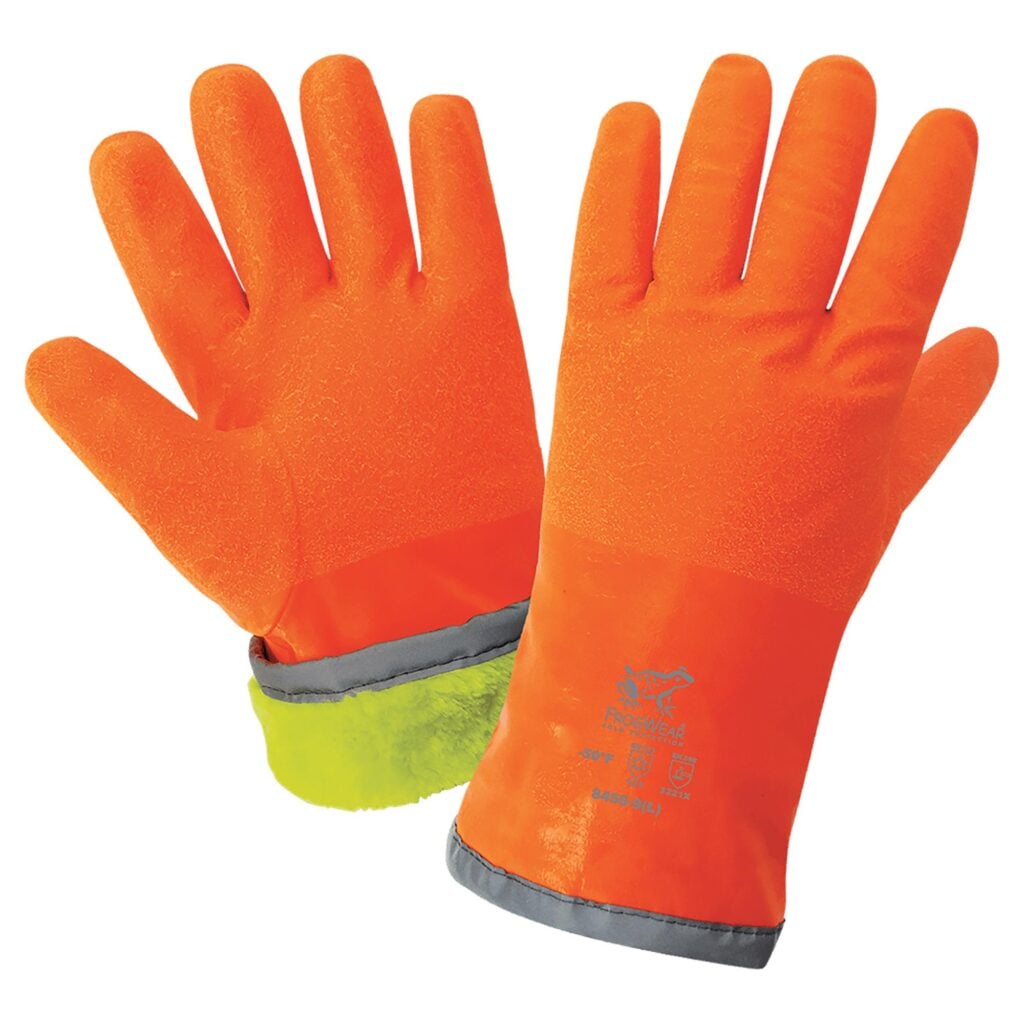
Furthermore, chemical resistant gloves come in many colors that help identify glove types and safety levels. Common colors include blue, green, orange, yellow, black, and high-visibility orange and yellow/lime options. Manufacturers also offer a wide range of sizes to ensure proper fit and comfort. Most gloves come in sizes from small through extra large and larger extended sizes. Many brands also design gloves for both men and women. Proper fit improves comfort, grip control, and overall protection during long work shifts.
Conclusion
In conclusion, chemical resistant gloves protect workers from dangerous substances across many industries. Specialized materials such as nitrile, neoprene, latex, butyl, and PVC create barriers that prevent harmful chemicals from contacting the skin. Manufacturers combine these materials with protective features like abrasion resistance, cut protection, and waterproof construction. Also, brands such as Global Glove, MCR Safety, PIP, Liberty Safety, LIFT Safety, North Safety, and Portwest continue to develop advanced gloves for modern workplaces. Choosing the right chemical resistant glove helps workers stay safe, productive, and comfortable while handling hazardous materials.